


How to Choose a Pest Control Professional in Missoula
Finding the right pest control provider in Missoula County means looking beyond basic spray services. The region's unique mountain-valley geography creates specific pest pressures that change with elevation and season. A qualified professional should understand how the Clark Fork River corridor, surrounding National Forest lands, and residential neighborhoods each present different challenges.
When evaluating providers, verify they hold proper Montana Department of Agriculture licensing for commercial pesticide application. Ask specifically about their experience with Missoula's most common invaders: carpenter ants thriving in our mature tree canopy, voles tunneling through irrigated lawns, and wasps building nests in eaves during our warm summers. Local knowledge matters—technicians familiar with the Rattlesnake Wilderness interface will approach wildlife-adjacent properties differently than those working strictly in the University District.
Request documentation of integrated pest management (IPM) training. This approach minimizes chemical use while addressing root causes, particularly important for households near the Bitterroot River or Pattee Canyon where runoff sensitivity exists. Check whether the company provides season-specific treatment plans rather than generic quarterly schedules, since Missoula's extended shoulder seasons often require adjusted timing.
What to Expect from Pest Control Services in Missoula
Your initial service typically begins with a thorough property inspection lasting 45–75 minutes. Technicians examine foundation perimeters, crawl spaces, attic access points, and moisture-prone areas common in Missoula's older homes near the South Hills or university neighborhoods. They'll identify entry points created by our freeze-thaw cycles and note conducive conditions like firewood stacked against structures or overhanging branches bridging to roofs.
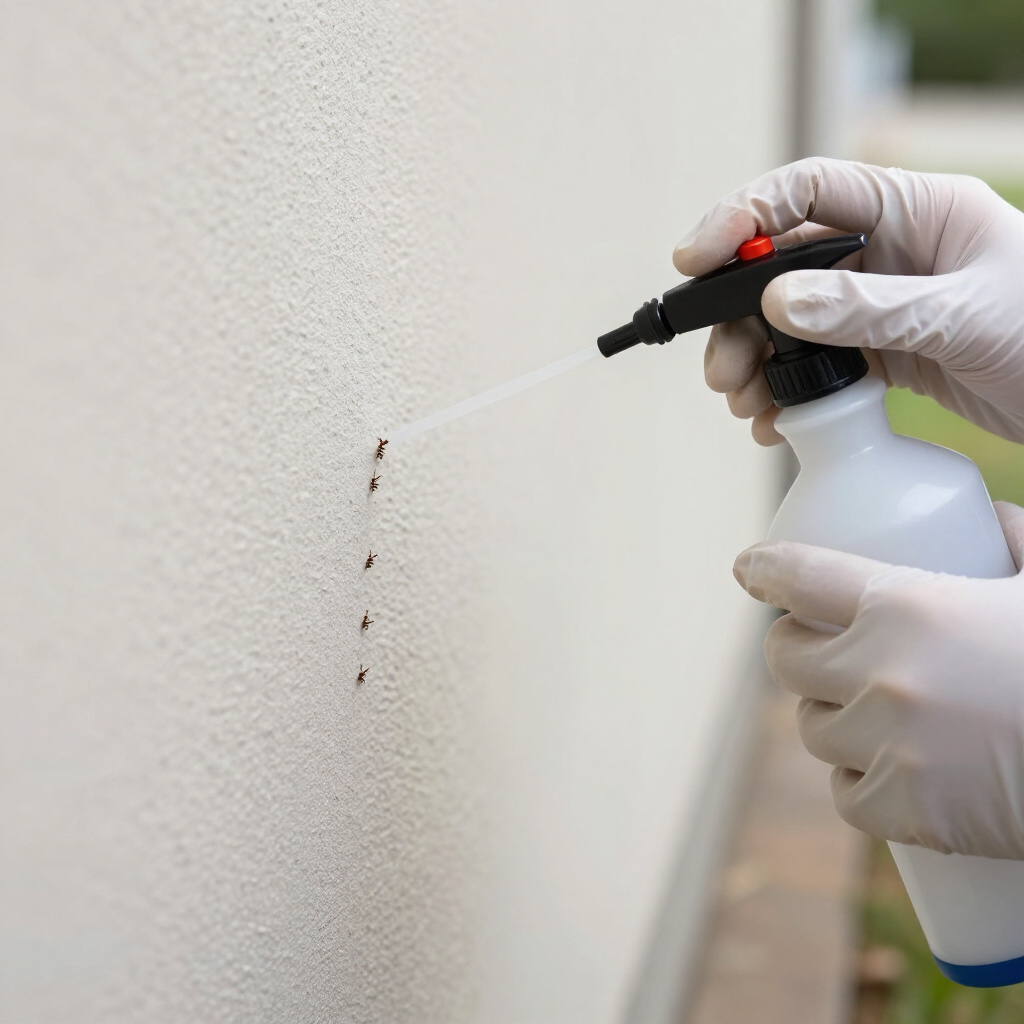
Treatment implementation follows a documented plan. Exterior perimeter applications create protective barriers, while interior spot treatments address active infestations. For subterranean issues, providers may install monitoring stations around property lines. Missoula's clay-heavy soils in some areas affect how termiticides and rodenticides perform, so experienced technicians adjust concentrations and application methods accordingly.
Follow-up scheduling reflects local pest biology rather than calendar convenience. Spring services target emerging carpenter ants and wasp queens. Mid-summer appointments address peak spider and fly activity. Fall treatments focus on rodents seeking winter shelter as temperatures drop in the valley. Reputable providers include written reports with each visit, noting what was treated, what was observed, and recommendations for structural or landscaping modifications.
Available Pest Control Services
Missoula residents can access comprehensive pest management across residential, commercial, and specialized contexts. Common service categories include:
- General Pest Control — Ongoing protection against ants, spiders, wasps, boxelder bugs, and occasional invaders tailored to Missoula's seasonal patterns
- Rodent Management — Exclusion work and population control for deer mice, voles, and Norway rats, with particular attention to properties bordering open space
- Termite & Wood-Destroying Insect Inspections — Required for real estate transactions and recommended for homes with wooden structural elements
- Wildlife Conflict Resolution — Humane handling of skunks, raccoons, and squirrels, often in coordination with Montana Fish, Wildlife & Parks guidelines
- Mosquito & Tick Reduction — Breeding site elimination and barrier treatments for properties near riparian areas or with standing water features
- Commercial Programs — Customized plans for restaurants, healthcare facilities, and multi-unit housing with documentation for health department compliance
Many providers also offer one-time treatments for specific events—wasps nests before outdoor gatherings, or spider clearing before home sales. Emergency services typically address sudden rodent activity or bee swarm situations requiring rapid response.
Frequently Asked Questions
When is the best time of year for pest control in Missoula?
Early spring (March–April) provides optimal prevention timing before carpenter ants and wasps establish colonies. However, Missoula's variable climate means effective pest management requires year-round attention, with fall rodent proofing equally critical for winter preparation.
Are pest control treatments safe for pets and children?
Licensed providers use EPA-registered products with application methods that minimize exposure risk. Reputable companies will discuss re-entry intervals, typically 2–4 hours for liquid applications, and can modify treatment plans for households with specific health sensitivities.
How do I know if I have carpenter ants or termites?
Carpenter ants are far more common in Missoula than termites. Look for coarse sawdust (frass) beneath wall voids, nocturnal ant trails, and rustling sounds in walls. Unlike termites, carpenter ants don't eat wood—they excavate it. Professional identification matters since treatment approaches differ substantially.