
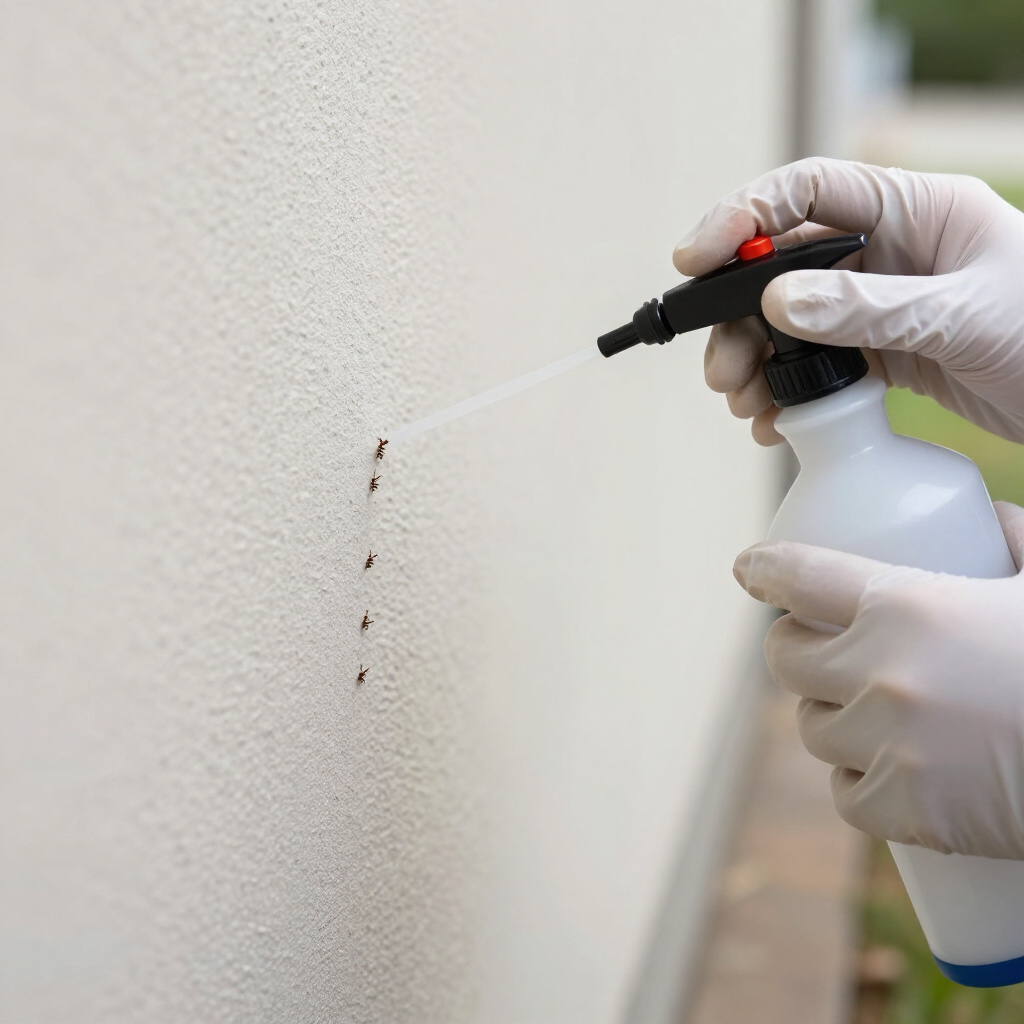

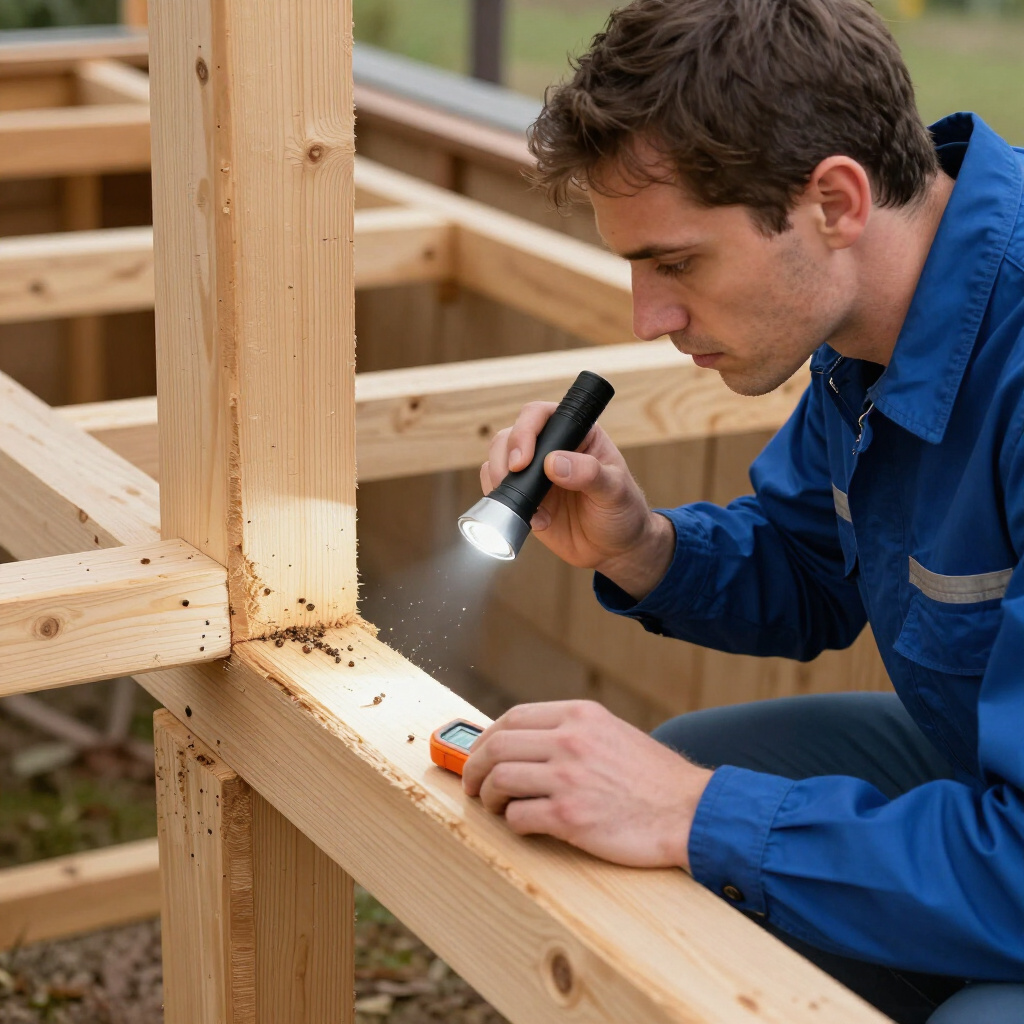
Termites are one of the most destructive pests a homeowner can face, causing billions of dollars in structural damage across the United States every year. The real danger? These silent destroyers often go unnoticed for months or even years, quietly chewing through wood, flooring, and walls while you remain completely unaware. By the time obvious signs appear, significant damage may already be done. Knowing the early warning signs you may have termites can save you thousands in repair costs and protect the structural integrity of your home.
Signs You May Have Termites: What to Watch For
Recognizing the signs you may have termites early is your best defense against extensive damage. Termites operate covertly, but they do leave behind evidence if you know where to look. Start with a thorough inspection of your home's foundation, basement, crawl spaces, and any wooden structures.
One of the most telling indicators is the presence of mud tubes. Subterranean termites, the most common type in many regions, build these pencil-thin tunnels from soil, wood particles, and their own saliva to travel between their underground colony and their food source. You will typically find mud tubes along foundation walls, concrete slabs, crawl space supports, and even hanging from floor joists. Break one open, and you may see active worker termites inside. If the tube is rebuilt within a few days, you have an active infestation.
Damaged or hollow-sounding wood is another critical sign you may have termites. Tap on baseboards, window sills, door frames, and wooden floors with the handle of a screwdriver. Healthy wood produces a solid, resonant sound. Wood compromised by termites sounds hollow or papery, and a gentle probe with a sharp tool may reveal extensive galleries just beneath the surface. Unlike carpenter ants, which leave smooth, clean tunnels, termite galleries are packed with soil and frass, giving them a rough, dirty appearance.
Discarded wings near windowsills, doorways, or light fixtures signal a recent termite swarm. Reproductive termites, called swarmers, emerge in spring to establish new colonies. After mating, they shed their wings, leaving behind small piles of delicate, uniform wings that resemble fish scales. Finding these wings indoors almost certainly means a colony is either inside your home or very nearby.
Subtle and Often Overlooked Warning Signs
Not all signs of termites are dramatic. Some are easily mistaken for normal wear and tear, which is why they deserve special attention.
Bubbling or peeling paint that resembles water damage can actually indicate termite activity beneath the surface. As termites consume wood and generate moisture within their tunnels, the humidity can cause paint to blister, crack, or discolor. Before assuming you have a plumbing leak, press gently on the affected area. If it feels spongy or gives way easily, termites may be the true culprit.
Doors and windows that suddenly become difficult to open or close are another frequently missed signal. Termites produce moisture as they eat, which causes wooden frames to warp, swell, or change shape. Homeowners often attribute sticking doors to humidity or foundation settling, but combined with other signs, this can point directly to an active infestation.
Frass, or termite droppings, resembles fine sawdust or coffee grounds and may accumulate in small piles beneath infested wood. Drywood termites, which do not require soil contact, push their fecal pellets out of kick holes in the wood they inhabit. Finding these tiny, hexagonal pellets is a definitive sign of drywood termite presence and warrants immediate professional evaluation.
You may also notice sagging floors, loose tiles, or buckling laminate. As termites hollow out subflooring and support structures, the damaged wood can no longer bear weight properly, causing visible changes to your flooring. Similarly, a faint clicking or rustling sound within walls—often described as a quiet munching or head-banging noise made by soldier termites—can sometimes be detected in very quiet conditions, particularly at night.
Key Tips for Protecting Your Home
Prevention and vigilance go hand in hand when it comes to termite control. Here are practical steps every homeowner should take:
Reduce moisture around your foundation by ensuring proper grading, functioning gutters, and downspouts that direct water well away from your home. Termites are drawn to damp wood, so addressing moisture issues eliminates a major attractant. Repair leaking faucets, pipes, and air conditioning units promptly.
Eliminate wood-to-soil contact wherever possible. Deck posts, fence posts, and firewood should never touch the ground directly adjacent to your home. Use concrete bases for wooden structures, and store firewood at least twenty feet from your house and elevated off the ground.
Schedule annual professional termite inspections, even if you have never seen signs of activity. Licensed pest control professionals have the training, tools, and experience to detect infestations in their earliest stages, including in areas homeowners rarely examine. Many companies offer protection plans that include regular monitoring and early intervention.
Consider requesting a termite inspection before purchasing any home. A clean bill of health from a qualified inspector provides peace of mind, while discovered issues can be addressed before closing or used in purchase negotiations.
Final Thoughts
Termites are not a pest you can afford to ignore. Their ability to operate silently and cause catastrophic structural damage makes early detection absolutely essential. By familiarizing yourself with the signs you may have termites—from mud tubes and discarded wings to subtle paint damage and warped door frames—you position yourself to act quickly at the first indication of trouble. Combine this awareness with proactive moisture control, proper landscaping practices, and professional annual inspections, and you create a formidable defense against these persistent invaders. If you suspect termite activity in your home, do not wait. Contact a licensed pest control professional for a thorough inspection and tailored treatment plan before minor evidence becomes major destruction.