
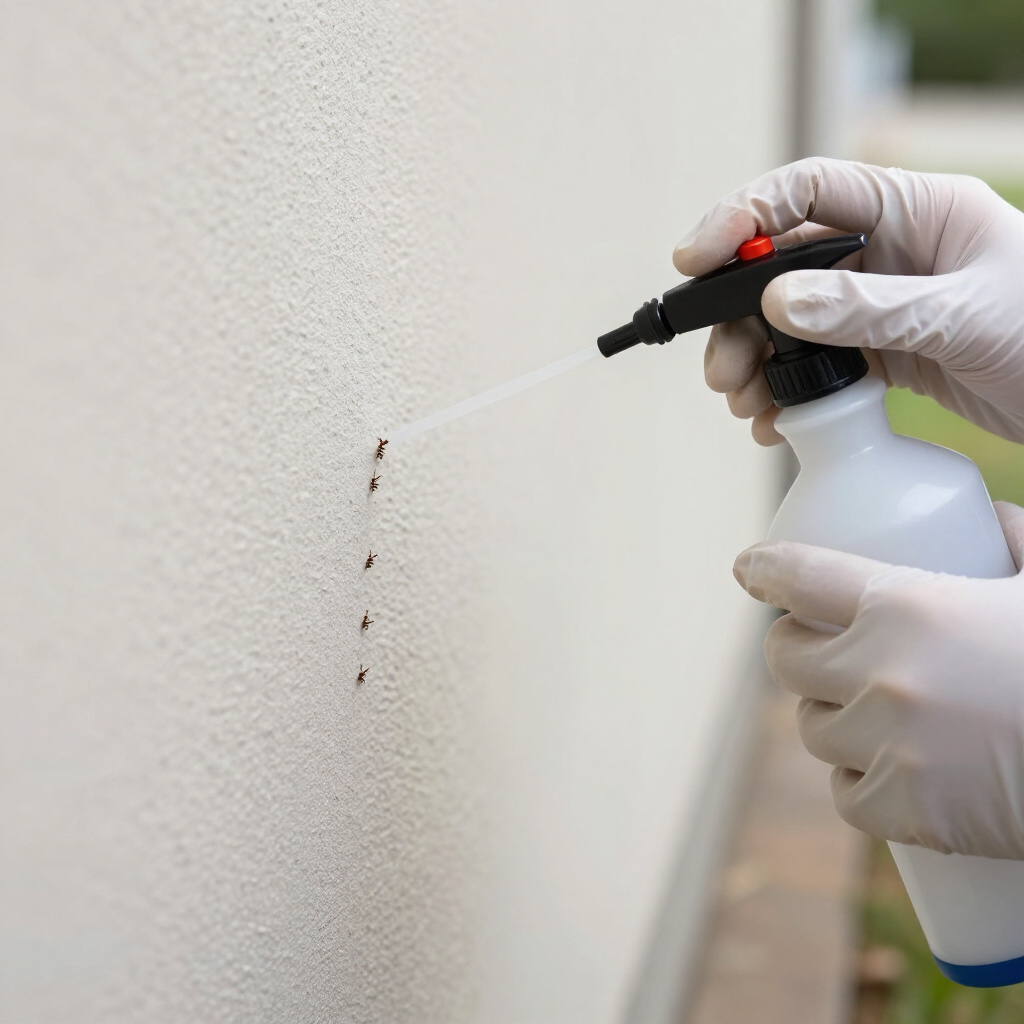


Your home changes with the seasons—and so do the pests trying to get inside. What keeps your living space cozy for your family also makes it irresistible to unwanted visitors seeking shelter, food, and water. Rather than waiting for an infestation to surprise you, a proactive approach to pest management saves stress, money, and protects your property year-round. This seasonal pest control checklist helps homeowners stay one step ahead, addressing the specific threats each season brings and the simple habits that make a real difference.
Spring Pest Control: Waking Up to New Threats
As temperatures rise and dormant landscapes burst back to life, pests emerge from their winter hiding spots with renewed energy. This is the season of reproduction and expansion for many species, making early intervention essential.
Start your spring pest control routine with a thorough exterior inspection. Walk your property and examine your home's foundation for cracks, gaps around utility lines, and deteriorating weatherstripping. Ants, including carpenter ants that damage wood structures, become highly active now. Termite swarming season also peaks in spring, so watch for discarded wings near windowsills or mud tubes along your foundation.
Moisture management becomes critical as snow melts and spring rains arrive. Clean gutters and downspouts to prevent water pooling near your foundation. Trim shrubs and tree branches back from your walls and roof to eliminate bridges that rodents and insects use to access your home. Inside, inspect basements and crawl spaces for dampness that attracts silverfish, earwigs, and centipedes.
Don't overlook your kitchen pantry. Spring cleaning should include checking stored grains, flours, and pet food for signs of Indian meal moths or weevils. Transfer dry goods to airtight glass or heavy plastic containers to break the food chain for these persistent pests.
Summer Pest Control: Peak Activity and Outdoor Pressures
Warmer months bring the highest pest activity levels of the year, with flying insects, stinging pests, and moisture-seeking invaders at their most problematic.
Mosquitoes breed in standing water, so eliminate sources weekly. Check birdbaths, plant saucers, clogged gutters, tarps, and children's toys that collect rain. Even bottle caps can harbor enough water for larvae development. For properties with persistent mosquito pressure, consider professional barrier treatments around entertainment areas.
Yellow jackets, hornets, and paper wasps build nests throughout summer. Inspect eaves, porch ceilings, sheds, and play structures monthly. Small nests are manageable; established colonies with hundreds of members require professional removal for safety. If you're allergic to stings, never attempt DIY nest elimination.
Ticks pose serious health risks during summer months. Maintain a three-foot barrier of wood chips or gravel between lawns and wooded areas. Keep grass mowed short, and perform thorough body checks after outdoor activities. Consider treating pets with veterinarian-recommended preventatives that also protect against fleas.
Indoors, summer heat drives pests like cockroaches and spiders toward cooler basement and ground-floor areas. Maintain consistent dehumidification below 60% relative humidity. Fix leaky faucets and running toilets promptly. Store firewood outdoors and away from your home until needed—it's a favored harborage for wood-boring beetles, spiders, and occasional rodents.
Fall Pest Control: The Invasion Season
As daylight shortens and temperatures drop, pests recognize the approaching cold and scramble to find winter shelter. Fall represents perhaps the most critical season for preventive pest control.
Rodents are the headline threat. Mice can squeeze through openings as small as a dime, rats through holes the size of a quarter. Inspect your home's exterior with obsessive attention to detail. Seal gaps around pipes, vents, and where siding meets the foundation with steel wool, copper mesh, or concrete repair. Replace damaged door sweeps and repair torn window screens.
Stink bugs, boxelder bugs, and Asian lady beetles congregate on sunny walls in autumn, seeking entry through the tiniest gaps. While not structurally damaging, their indoor presence is deeply unpleasant. Seal exterior cracks with quality silicone caulk, paying special attention to the south and west-facing walls that warm in afternoon sun.
Remove fallen leaves promptly from your yard and against your foundation. Leaf litter creates ideal harborage for millipedes, sowbugs, and overwintering insects that eventually find their way inside. Store firewood at least twenty feet from your home and elevate it off the ground.
Inside, inspect attics for proper screening over vents and gaps around chimney flues. These high entry points often go unnoticed until scratching noises announce squatters. Consider professional attic insulation evaluation, as compressed or moisture-damaged insulation loses its pest-deterrent value.
Winter Pest Control: Hidden Dangers Indoors
When outdoor activity slows, indoor pest pressures intensify. Creatures that established themselves in fall now settle in for months of quiet reproduction and resource consumption.
Continue monitoring for rodents. Droppings in cabinets, gnaw marks on food packaging, or greasy rub marks along baseboards indicate active infestations. Check less-frequented spaces: utility closets, behind appliances, and inside garage storage areas. Snap traps and electronic monitoring devices help gauge activity levels.
Pantry pests thrive in heated indoor environments when outdoor food sources vanish. Inspect holiday baking supplies before use—flour beetles and drugstore beetles often arrive in infested products from stores. Rotate stored foods using first-in, first-out practices, and maintain that habit of airtight storage established in spring.
Overwintering insects that entered in fall may emerge on unusually warm winter days, creating confusion about new infestations. Cluster flies, stink bugs, and boxelder bugs often appear near windows as they mistake indoor warmth for spring. Vacuum them promptly rather than crushing, which releases defensive odors.
Structural moisture issues become more apparent in winter. Condensation on windows, musty basement odors, or visible mold growth signal conditions that attract and sustain pests. Improve ventilation, run dehumidifiers consistently, and address any plumbing leaks immediately.
Key Tips for Year-Round Success
Certain practices transcend seasonal boundaries and form the backbone of effective pest management.
Consistency matters more than intensity. Brief monthly inspections catch problems before they escalate into costly emergencies. Calendar reminders help maintain this rhythm when life gets busy.
Landscaping choices influence pest pressure significantly. Maintain a vegetation-free zone of at least six inches around your foundation. Choose plants wisely—some species attract aphids and scale insects that support ant and wasp populations. Mulch depth should not exceed three inches, and keep it several inches from wooden siding to prevent termite bridging.
Proper waste management eliminates food incentives. Use garbage cans with tight-fitting lids, clean recycling containers regularly to remove residue, and position outdoor bins on hard surfaces away from your home's walls. Don't forget pet food—feed at scheduled times rather than free-feeding, and store bags in sealed containers.
Know when professional expertise becomes necessary. Recurring issues despite your best efforts, signs of wood-destroying organisms, stinging insect nests in hazardous locations, or any pest concern affecting health and safety warrant calling a licensed pest control professional. They bring specialized tools, targeted products, and training that complement your maintenance efforts.
Final Thoughts
Effective pest control isn't about reacting to crises—it's about building habits that prevent them. By aligning your home maintenance with the predictable patterns of pest behavior through each season, you create an environment that's genuinely inhospitable to invaders while remaining welcoming to the people who matter most.
Start with this seasonal pest control checklist as your framework, adapt it to your specific property and regional concerns, and commit to the small, regular actions that compound into significant protection. Your future self, discovering a quiet, pest-free home on a crisp autumn evening or during a summer barbecue, will appreciate the foresight.