
More homeowners than ever are searching for natural pest control methods that actually work—and for good reason. Whether you're concerned about chemical exposure around children and pets, worried about environmental impact, or simply tired of temporary fixes that pests outsmart, there's a better path forward. The good news? Effective natural pest control isn't about choosing between safety and results. When applied correctly, nature-based solutions can deliver lasting protection that rivals conventional treatments while keeping your living space genuinely healthy.
Natural Pest Control Methods That Actually Work in Your Home
The foundation of successful natural pest control starts with understanding that "natural" doesn't mean passive. These methods require strategic thinking and consistent application, but the payoff is well worth the effort.
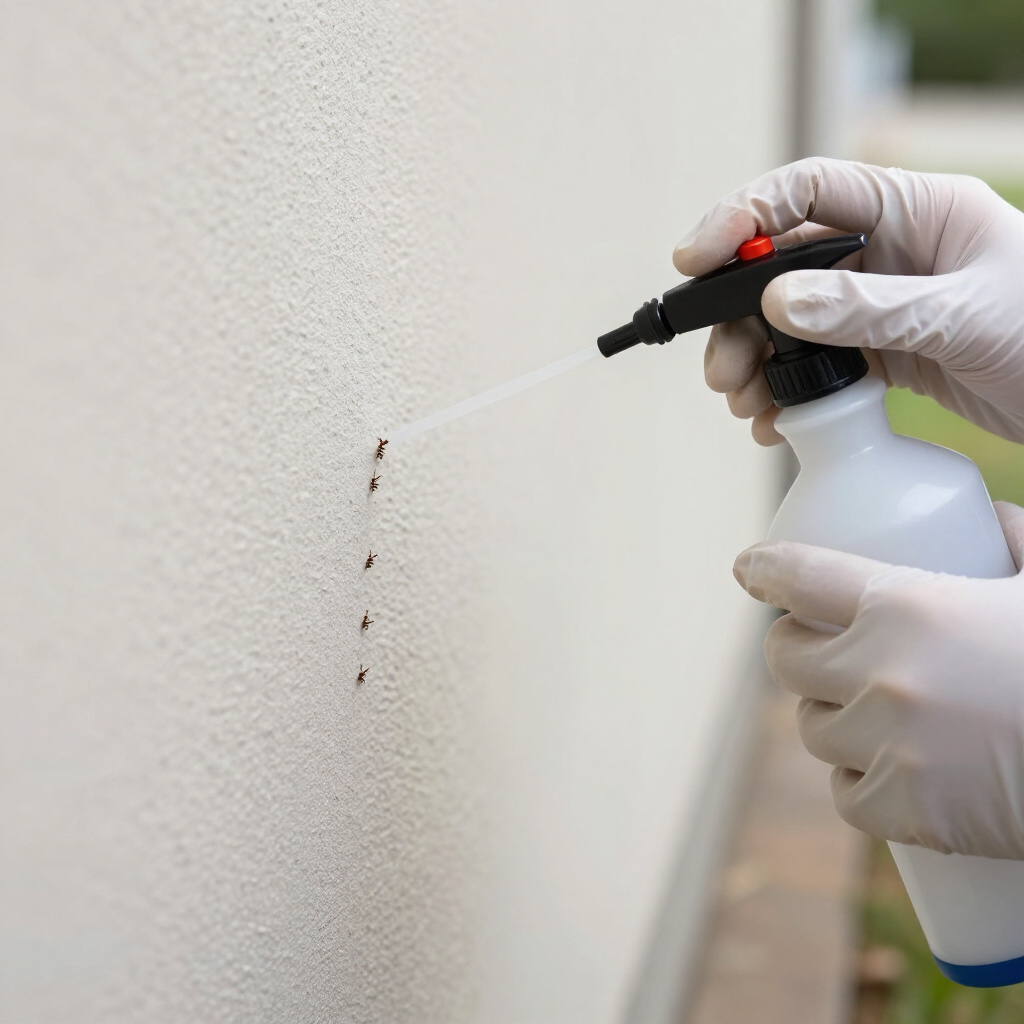
Essential oils with proven repellent properties form your first line of defense. Peppermint oil effectively repels spiders, ants, and mice when mixed with water and sprayed along baseboards and entry points. Tea tree oil and eucalyptus work against dust mites and certain flying insects. For best results, reapply every 7-10 days and concentrate on areas where pests travel, not just where you spot them. The key mistake most people make is diluting oils too heavily or applying too infrequently.
Food-grade diatomaceous earth deserves special attention as a mechanical pesticide. This powdery substance made from fossilized algae destroys the exoskeletons of crawling insects, causing dehydration within 48 hours. Apply thin layers behind appliances, in cabinet corners, and along foundation walls where roaches, silverfish, and ants traverse. Always choose food-grade quality and wear a mask during application to avoid respiratory irritation. Unlike chemical baits, insects cannot develop resistance to this physical mode of action.
Boric acid solutions remain among the most reliable natural options for persistent ant and cockroach problems. Mixed with a sweet attractant, boric acid acts as a stomach poison that pests carry back to colonies. Apply in tiny amounts—pea-sized drops—near nesting sites, not out in open areas where pets or children might encounter concentrated doses. Patience is essential; colony elimination typically takes 10-14 days, but results prove more thorough than instant-kill sprays.
Prevention Strategies That Eliminate Pest Problems at the Source
Even the most effective natural treatments fail without addressing why pests invaded initially. Integrated prevention transforms your home from attractive habitat to hostile environment.
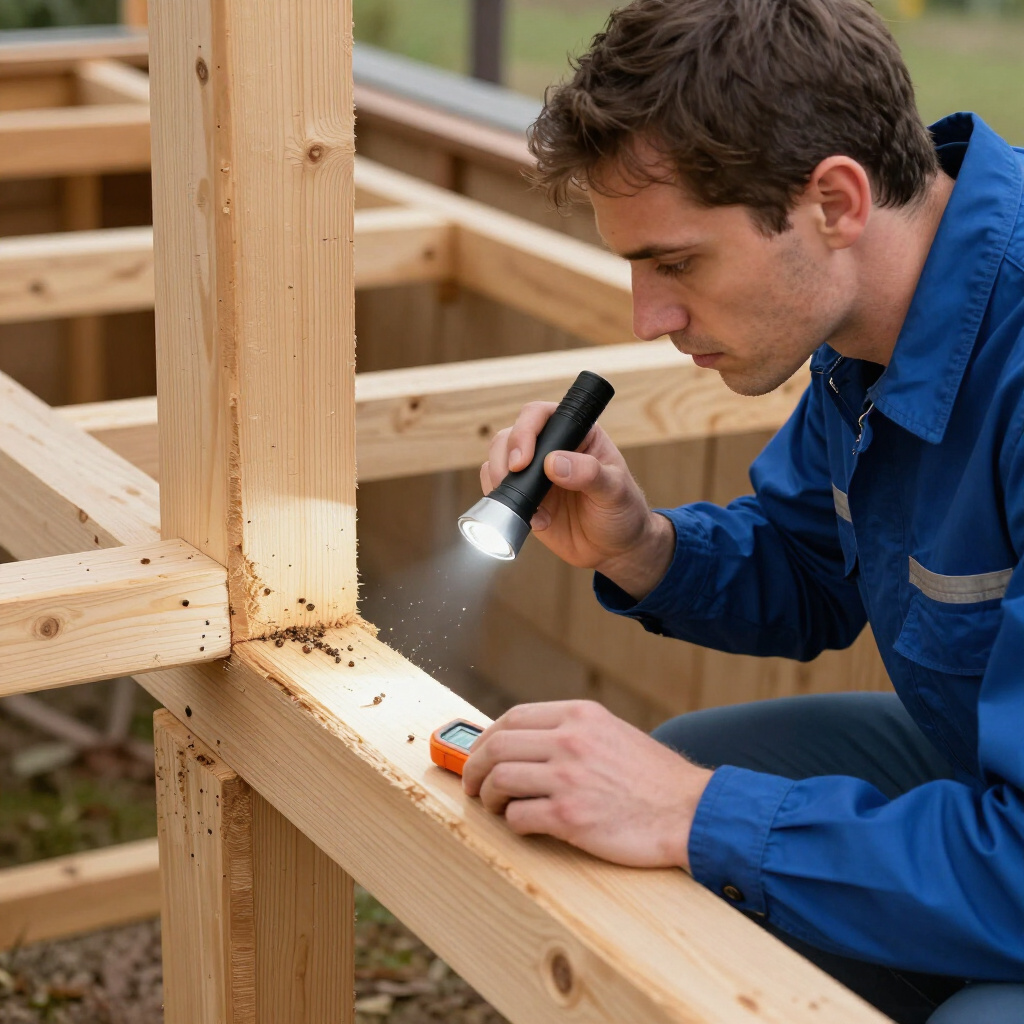
Moisture management ranks as the single most overlooked factor in pest prevention. Silverfish, centipedes, carpenter ants, and termites all require damp conditions. Run dehumidifiers in basements and crawl spaces, keeping humidity below 50 percent. Fix leaky faucets promptly, ensure proper ventilation in bathrooms, and grade soil away from foundations to prevent water accumulation. Many homeowners who "tried everything" find their pest problems vanish after addressing hidden moisture issues.
Exclusion through physical barriers complements any natural treatment program. Steel wool stuffed into gaps larger than 1/4 inch blocks rodent entry—unlike caulk or foam, mice cannot chew through it. Door sweeps eliminate the gap beneath exterior doors where countless insects and spiders slip inside. Fine mesh screens over vents and chimney openings prevent larger pests from establishing attic or wall void harborage. Conduct a thorough perimeter inspection seasonally; new gaps appear as structures settle and weather.
Sanitation practices directly impact pest pressure. Store pantry items in glass or thick plastic containers with tight seals—cardboard boxes offer no protection against grain moths or beetles. Clean pet food bowls nightly and never leave food out. Take garbage out daily during warm months, and rinse recyclable containers before storage. Compost bins should sit well away from structures and use proper browns-to-greens ratios to avoid odors that attract fruit flies and rodents.
Key Tips for Maximizing Natural Pest Control Success
Transitioning to natural methods often requires adjusting expectations and techniques. These practical insights bridge the gap between intention and effectiveness.
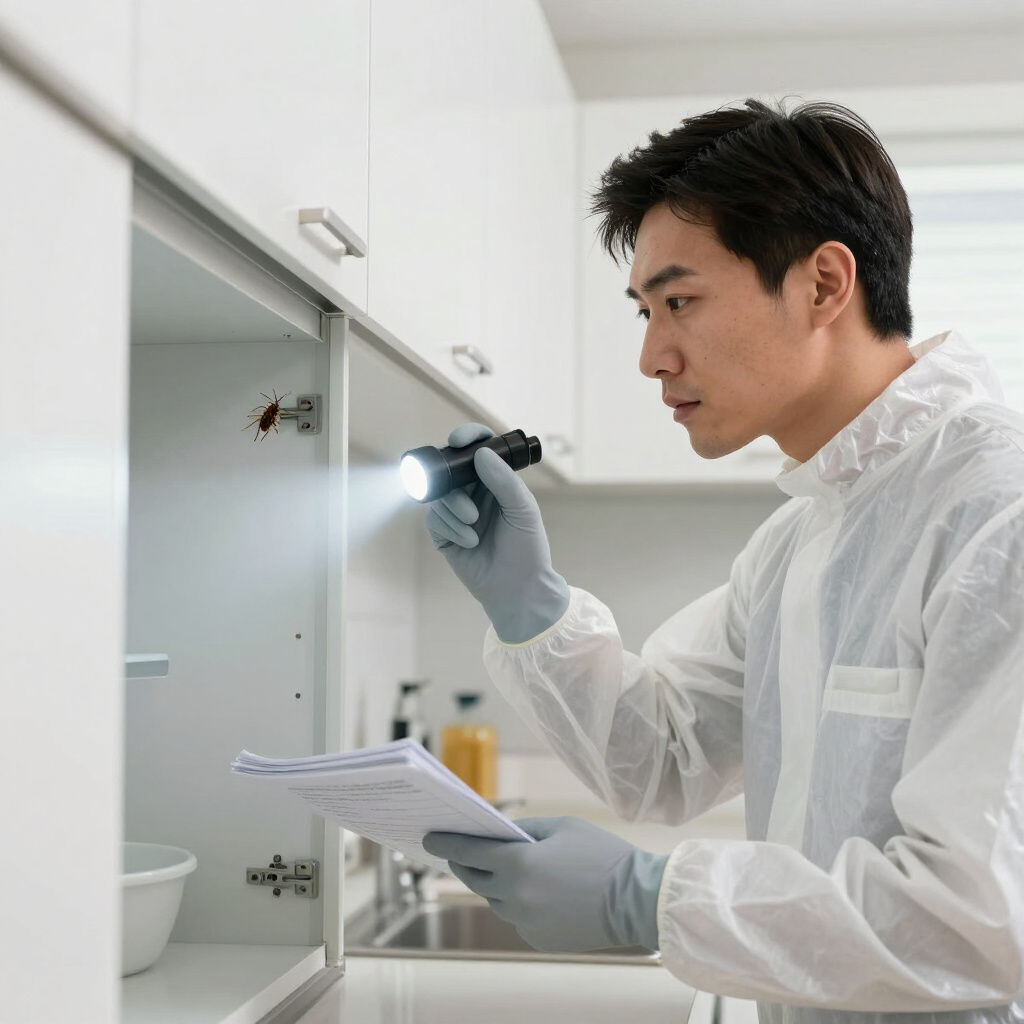
Identify before you treat. Misidentification wastes time and resources. What eliminates pantry moths won't touch fabric pests; ant species require different bait strategies. Capture specimens or photograph pests for accurate identification, then research species-specific vulnerabilities. Your local cooperative extension service provides free identification assistance in most regions.
Combine methods strategically. Natural pest control works best as a layered approach. Use exclusion to prevent entry, sanitation to remove attractants, targeted treatments for existing populations, and monitoring to catch resurgence early. Relying solely on one tactic—like essential oil sprays alone—typically disappoints because it addresses symptoms rather than systems.
Accept reasonable timing. Natural methods generally work more slowly than synthetic neurotoxins. A colony of odorous house ants may take two weeks to eliminate with boric acid bait, compared to hours with a pyrethroid spray. However, the bait achieves complete colony death while the spray kills only foragers, guaranteeing recurrence within days. Document your treatment dates and resist the urge to switch strategies prematurely.
Know when professional expertise adds value. Some situations exceed homeowner capacity regardless of method preference. Established termite infestations, bed bug introductions, and significant rodent issues often require professional intervention. Reputable pest control companies increasingly offer natural and reduced-toxicity program options—ask specifically about botanical insecticides, microbial treatments, and physical exclusion services.
Final Thoughts
Natural pest control methods that actually work demand more engagement than simply spraying a product and walking away. They ask you to understand pest biology, seal entry points, modify habitats, and apply treatments with precision and patience. The reward for this effort is genuine peace of mind: a home protected without chemical residues on surfaces your family touches daily, without contaminants accumulating in soil and groundwater, and without the cycle of escalating chemical resistance that plagues conventional approaches.
Start with one or two strategies most relevant to your current situation. Master moisture control and exclusion before investing heavily in treatment products. Document what works in your specific environment, building knowledge that compounds over years. The most successful natural pest managers treat their approach as ongoing stewardship rather than emergency response—creating conditions where pests simply cannot thrive, season after season.