
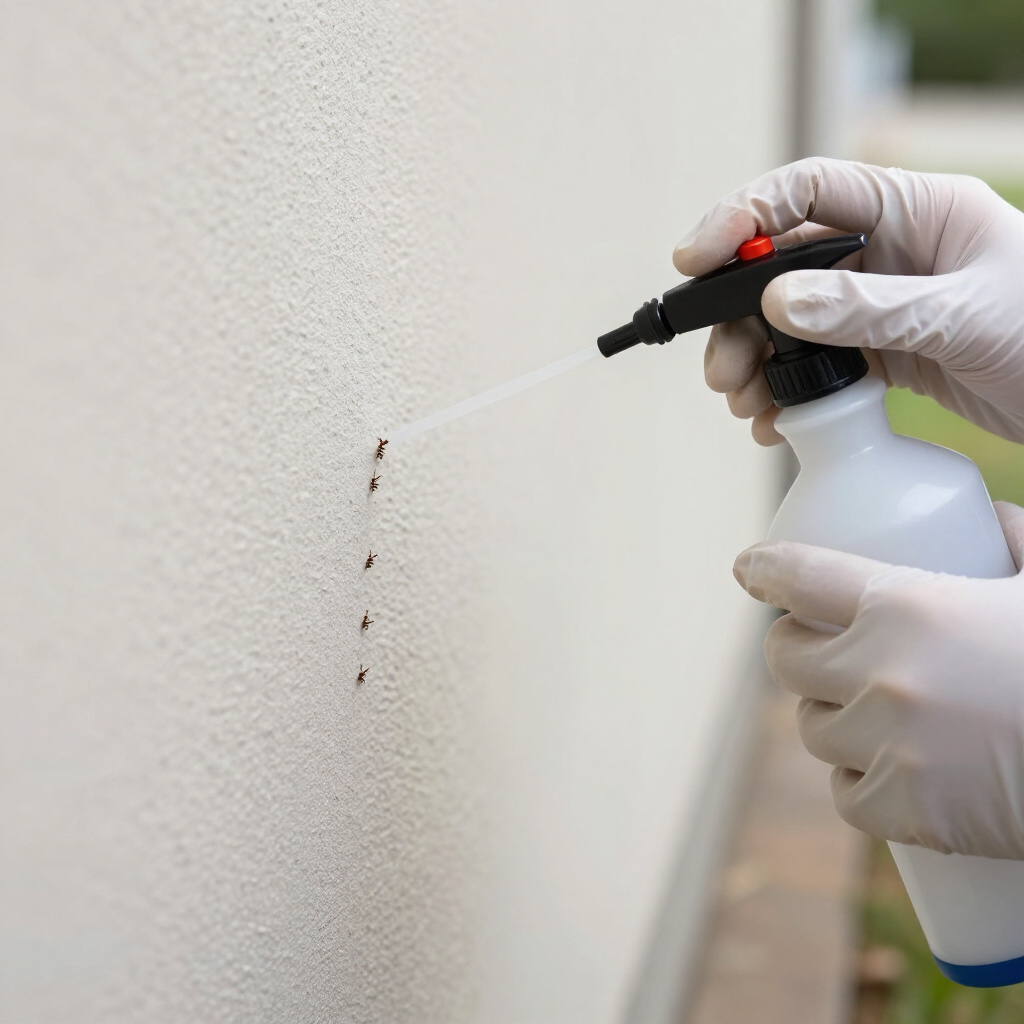


Finding unwanted critters in your home can turn your sanctuary into a source of stress faster than almost anything else. Whether it's the skittering sound behind walls at midnight or the telltale droppings in your pantry, household pests demand attention—but not panic. The good news? Most infestations are entirely preventable with the right knowledge and consistent habits. Let's walk through the most common invaders you'll encounter and, more importantly, how to keep them from making themselves at home in the first place.
Most Common Household Pests and How to Prevent Them
Every region has its signature pests, but certain troublemakers show up nearly everywhere. Understanding what attracts them is your first line of defense.
Ants top the list for sheer persistence. These tiny foragers can detect the smallest food residue and will march entire colonies into your kitchen overnight. Sugar ants crave sweets, while grease ants hunt protein and fat. Odorous house ants emit a rotten coconut smell when crushed—an unpleasant way to discover you've got company.
Cockroaches represent one of the most reviled household pests for good reason. They spread bacteria, trigger allergies, and reproduce with alarming speed. German cockroaches prefer warm, humid spaces like kitchens and bathrooms, while American cockroaches—the larger "palmetto bugs"—often enter from outside during weather changes.
Spiders earn their spot less for danger and more for the psychological toll they take. Most house spiders are harmless and actually help control other insects. However, brown recluses and black widows require serious caution, particularly in southern and midwestern states.
Rodents bring a special category of problems. Mice and rats gnaw through wiring (creating fire hazards), contaminate food, and squeeze through impossibly small openings. A mouse needs just a dime-sized gap; a rat, a quarter-sized one.
Termites work silently and destructively, often causing thousands in damage before you notice mud tubes or hollow-sounding wood. Subterranean termites build underground colonies, while drywood termites can infest furniture and framing directly.
Bed bugs have made a dramatic resurgence, hitchhiking home in luggage, used furniture, and clothing. These nocturnal blood-feeders hide in mattress seams, baseboards, and electrical outlets, making elimination genuinely challenging without professional help.
Fruit flies and drain flies swarm around overripe produce and organic buildup in pipes. Though short-lived, their rapid breeding cycles mean a few individuals become a cloud within days.
Prevention Strategies That Actually Work
Consistent prevention beats reactive treatments every time. These strategies address the root causes that attract pests in the first place.
Seal your perimeter. Walk your home's exterior with caulk and steel wool. Fill gaps around utility lines, repair torn screens, install door sweeps, and check weatherstripping annually. Pay special attention to the foundation, roofline, and areas where different building materials meet—pests exploit these transition zones.
Eliminate moisture. Most household pests need water more urgently than food. Fix leaky faucets promptly, run dehumidifiers in damp basements, ensure proper drainage around your foundation, and clean gutters regularly. Even condensation on pipes can sustain cockroach populations.
Store food properly. Transfer dry goods to airtight glass or thick plastic containers. Never leave pet food out overnight. Wipe counters and sweep floors daily—what looks clean to you still registers as a feast to an ant. Take garbage out frequently and use bins with tight-fitting lids.
Manage your landscape. Trim branches away from your roofline to remove rodent highways. Keep firewood stacked 20 feet from your home and elevated off the ground. Reduce mulch depth near foundations, and consider gravel barriers in termite-prone areas. Dense vegetation against your home creates shelter and hidden entry points.
Inspect secondhand items carefully. That curb-find dresser or thrift store treasure could harbor bed bugs or termites. Examine seams, joints, and dark crevices before bringing anything indoors. When returning from travel, launder clothes on hot and inspect luggage before storing it.
Key Tips for Ongoing Protection
Prevention isn't a one-time project—it's a maintenance mindset. These habits build lasting protection against most common household pests and how to prevent them from gaining footholds.
Establish a seasonal inspection routine. Spring brings ant swarms and termite alates. Summer peaks for flies and mosquitoes. Fall drives rodents indoors seeking warmth. Winter reveals cockroach activity as they concentrate in heated spaces. Calendar reminders help you stay ahead of these predictable patterns.
Don't ignore early warning signs. A single mouse dropping, one cockroach in daylight, or a few winged ants indoors signals bigger problems developing. Pests are cryptic by nature; visible individuals represent just the tip of the colony.
Use targeted treatments cautiously. Over-the-counter sprays often scatter pests rather than eliminate them, making professional intervention harder later. Bait stations work well for ants and roaches when placed correctly, but misapplication wastes money and exposes family and pets unnecessarily.
Know when to call professionals. Termite activity, widespread bed bugs, or rodent infestations almost always require expert treatment. The cost of delayed action typically far exceeds early professional intervention.
Final Thoughts
Protecting your home from pests comes down to making your space fundamentally unappealing to them while remaining vigilant for early intrusion signs. The strategies outlined here—sealing entry points, controlling moisture, managing food sources, and maintaining your property—work synergistically to create an environment where pests struggle to survive.
No prevention program guarantees zero pest encounters, especially in older homes or dense urban settings. However, homeowners who implement these practices consistently report dramatically fewer problems and catch issues while they're still minor. Your home deserves to feel safe and comfortable. A little proactive effort goes a remarkably long way toward keeping it that way.