
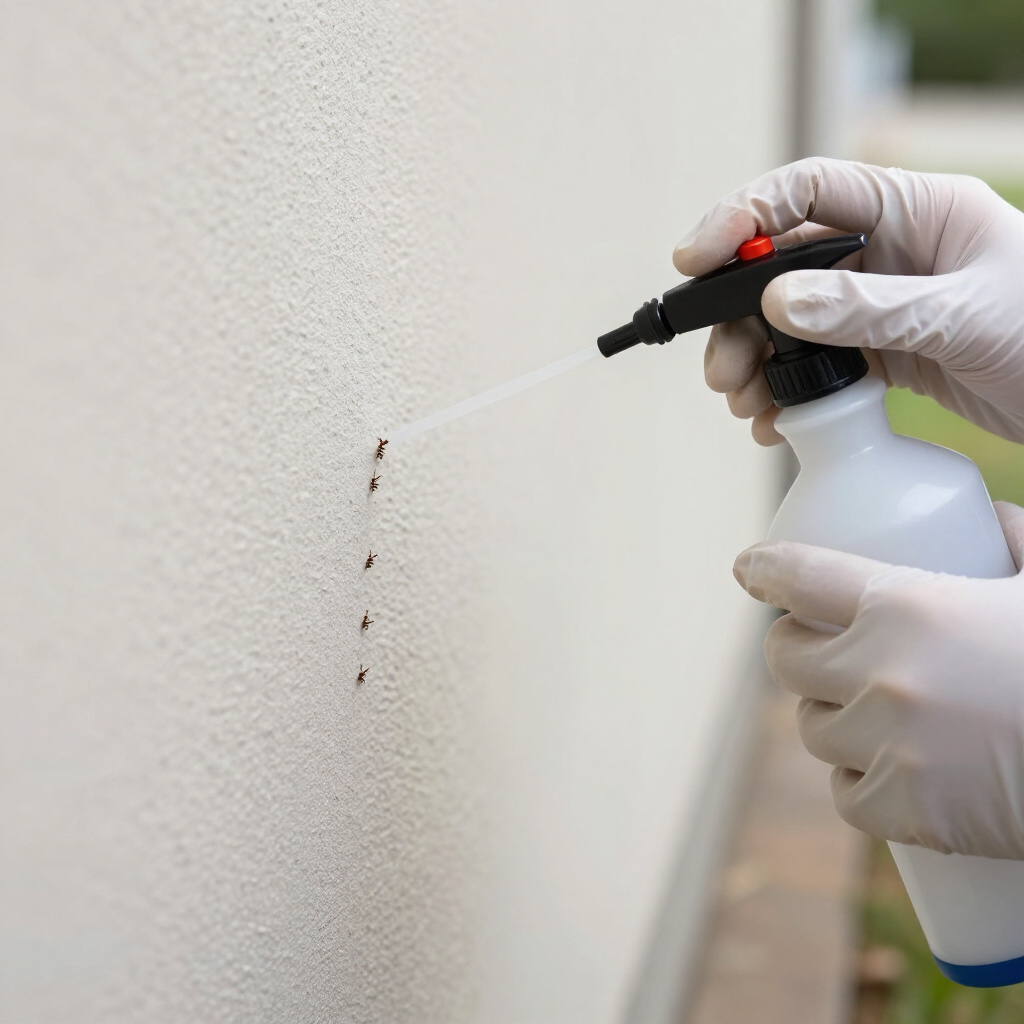


You step into your kitchen for a midnight snack, flip on the light, and there they are—a winding trail of ants marching across your countertop like they own the place. Few things feel more frustrating than watching tiny invaders claim territory in your home. The good news? With the right approach, you can stop ants before they ever establish their parade route through your pantry. Ant prevention isn't about luck; it's about understanding what draws them inside and systematically removing every welcome mat you've accidentally laid out.
How to Prevent Ants From Invading Your Home Starts With Eliminating Food Sources
Ants are remarkably efficient foragers with one driving mission: find food and bring it back to the colony. Your kitchen represents the ultimate buffet if you're not vigilant. The tiniest crumb or sticky residue can broadcast a chemical signal that draws scouts from surprising distances.
Start by rethinking how you store food. Transfer pantry staples like sugar, flour, cereal, and pet food into airtight containers with tight-sealing lids. Ants can squeeze through incredibly small gaps, so flimsy packaging or loosely closed bags won't deter them. Glass, metal, or thick plastic containers with rubber gaskets create genuine barriers.
Cleanliness extends beyond the obvious. Wipe down counters daily with a vinegar-based solution, which disrupts the pheromone trails ants use to navigate. Don't forget the invisible trouble spots: the toaster crumb tray, the gap beneath your stove, the sticky juice ring on the refrigerator door handle. Sweep and mop floors regularly, paying special attention to dining areas where children or pets might scatter food.
Your garbage situation matters enormously. Use bins with sealed lids, empty them frequently, and rinse recyclables before tossing them. Even the residue inside an empty soda can attracts attention. If you compost, keep your bin sealed and positioned well away from the house exterior.
Pet owners face additional challenges. Bowls of kibble left out overnight are essentially ant magnets. Consider feeding pets on a schedule, removing uneaten food promptly, and placing bowls in a shallow tray of water—ants won't cross the moat to reach the meal.
Block Every Entry Point Ants Exploit
A single ant colony can send scouts through openings you'd never notice. Effective prevention means thinking like an ant and finding the access routes they've been using—or could use.
Begin with a thorough exterior inspection. Check where utility lines enter your home, gaps around windows and doors, cracks in your foundation, and spaces beneath siding. Even weep holes in brick veneer provide highways for determined ants. Seal these openings with appropriate materials: silicone caulk for small cracks, expanding foam for larger gaps, weatherstripping for door frames, and fine mesh screens for vents.
Pay special attention to moisture-prone areas. Ants need water too, and damp wood or humid spaces create ideal conditions. Repair leaky faucets and pipes promptly. Ensure your gutters drain properly and don't create saturated soil against your foundation. Inside, use dehumidifiers in basements and crawl spaces where condensation accumulates.
Your landscaping choices significantly impact ant pressure against your home. Trim tree branches and shrubs so they don't touch or overhang your roof or walls—ants use these as bridges to bypass ground-level defenses. Keep mulch, leaf litter, and dense vegetation at least twelve inches from your foundation. Consider replacing wood mulch with stone or rubber alternatives near the house perimeter. Stack firewood on a raised platform well away from exterior walls.
Don't overlook the obvious entry points you use daily. Garage doors often seal poorly at the bottom. Screen doors develop tears. Window screens pop out of track. These maintenance items seem minor until you realize they're the main thoroughfare for an entire colony.
Key Tips for Long-Term Ant Prevention Success
Prevention works best as an ongoing system rather than a one-time effort. These additional strategies help maintain your defenses throughout the changing seasons when ant behavior shifts.
Learn to identify early warning signs before you see trailing ants inside. Small piles of sawdust-like material might indicate carpenter ant activity in structural wood. Winged ants appearing indoors suggest a mature colony nearby. Odd rustling sounds in walls warrant investigation. Catching these signals early prevents established infestations that require professional intervention.
Natural deterrents can supplement your barriers without introducing harsh chemicals. Diatomaceous earth sprinkled in dry, out-of-reach areas damages ants' exoskeletons. Essential oils like peppermint, tea tree, and citrus interfere with scent trails when diluted and applied to entry zones. Vinegar solutions clean surfaces while masking attractive odors. These methods work best as preventive enhancements rather than solutions for active, large-scale invasions.
Understand seasonal patterns in your region. Spring typically brings reproductive swarms and new colony establishment. Summer heat drives ants to seek water and cool shelter. Fall preparations for winter often intensify foraging. Adjust your vigilance accordingly—perhaps increasing inspection frequency during these peak pressure periods.
When prevention measures prove insufficient against persistent ant pressure, professional pest control offers targeted solutions that address the colony itself rather than just the visible workers. Baiting systems, in particular, exploit ants' food-sharing behavior to eliminate queens and brood that remain hidden. This approach resolves the root cause rather than managing endless symptoms.
Final Thoughts
Keeping ants out of your home combines diligent sanitation, strategic home maintenance, and thoughtful landscape management into one coordinated effort. No single tactic guarantees success, but layering these approaches creates genuine protection that holds up over time. The investment you make in prevention—sealing gaps, storing food properly, and maintaining dry, clean conditions—pays dividends in peace of mind and avoids the greater disruption of battling an established colony. Start with the fundamentals, stay consistent with your habits, and you'll find that ants eventually learn your home offers nothing worth the journey. When challenges exceed your comfort level, remember that expert guidance is available to assess your specific situation and implement solutions tailored to your home's unique vulnerabilities.