

Finding a cockroach scurrying across your kitchen floor at midnight is enough to make anyone's skin crawl. These resilient pests multiply quickly, contaminate food, and can even trigger allergies and asthma. The good news? You don't have to live with them. Whether you're dealing with a sudden sighting or a full-blown infestation, there are proven strategies to eliminate cockroaches fast and keep them from coming back.
How to Get Rid of Cockroaches Fast: Start with the Right Approach
Speed matters when you're fighting cockroaches. These insects reproduce at alarming rates, so delaying action only gives them time to establish larger populations. The fastest results come from combining multiple methods simultaneously rather than relying on a single tactic.
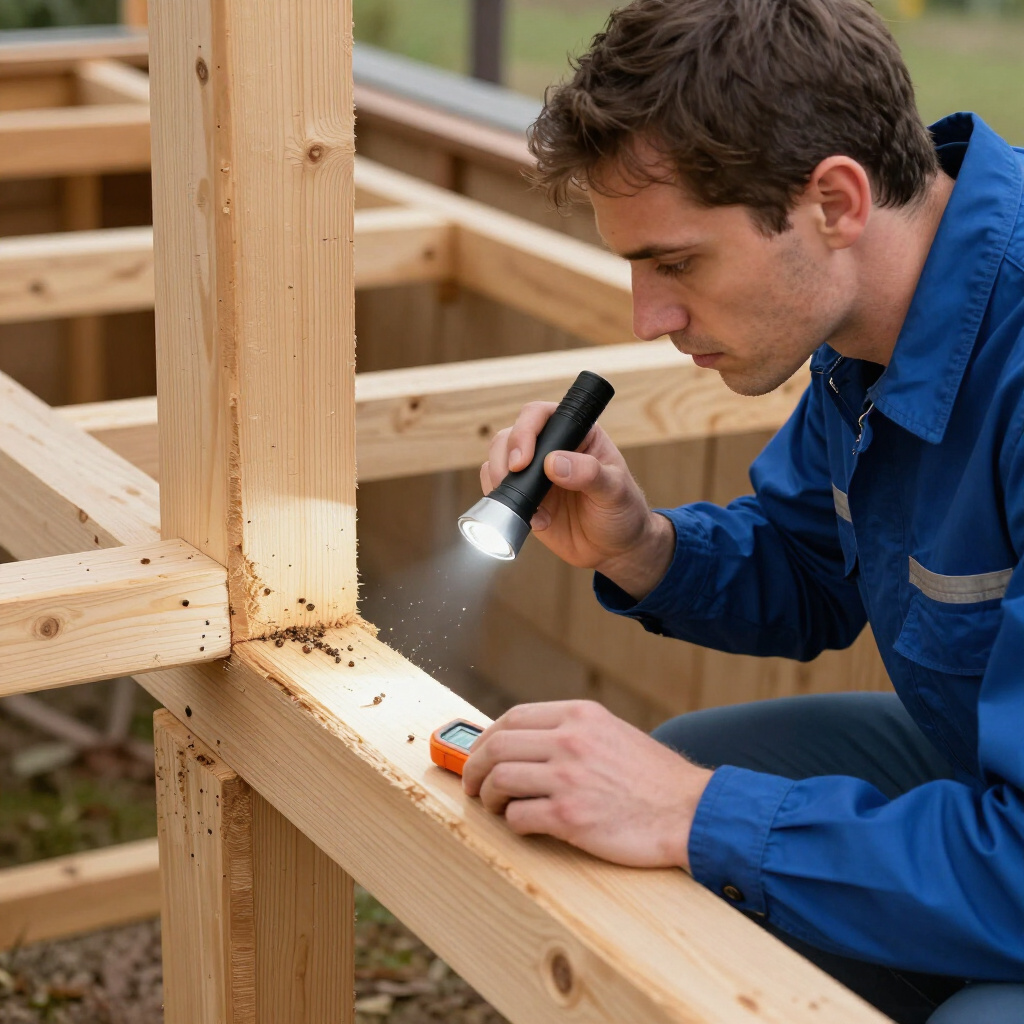
Begin with a thorough inspection. Cockroaches prefer warm, humid environments near food and water sources. Check under sinks, behind appliances, inside cabinet corners, around baseboards, and in any cracks or crevices. German cockroaches often cluster in kitchens and bathrooms, while larger species like American cockroaches may originate from basements, crawl spaces, or drains. Identifying where they're hiding helps you target your efforts for maximum impact.
Once you know where they're active, eliminate what attracts them. Store all food in airtight containers, wipe down counters daily, fix leaky faucets, and take out garbage regularly. Even tiny crumbs or water droplets can sustain a cockroach population, so cleanliness isn't optional—it's foundational.
Effective Treatment Methods for Rapid Results
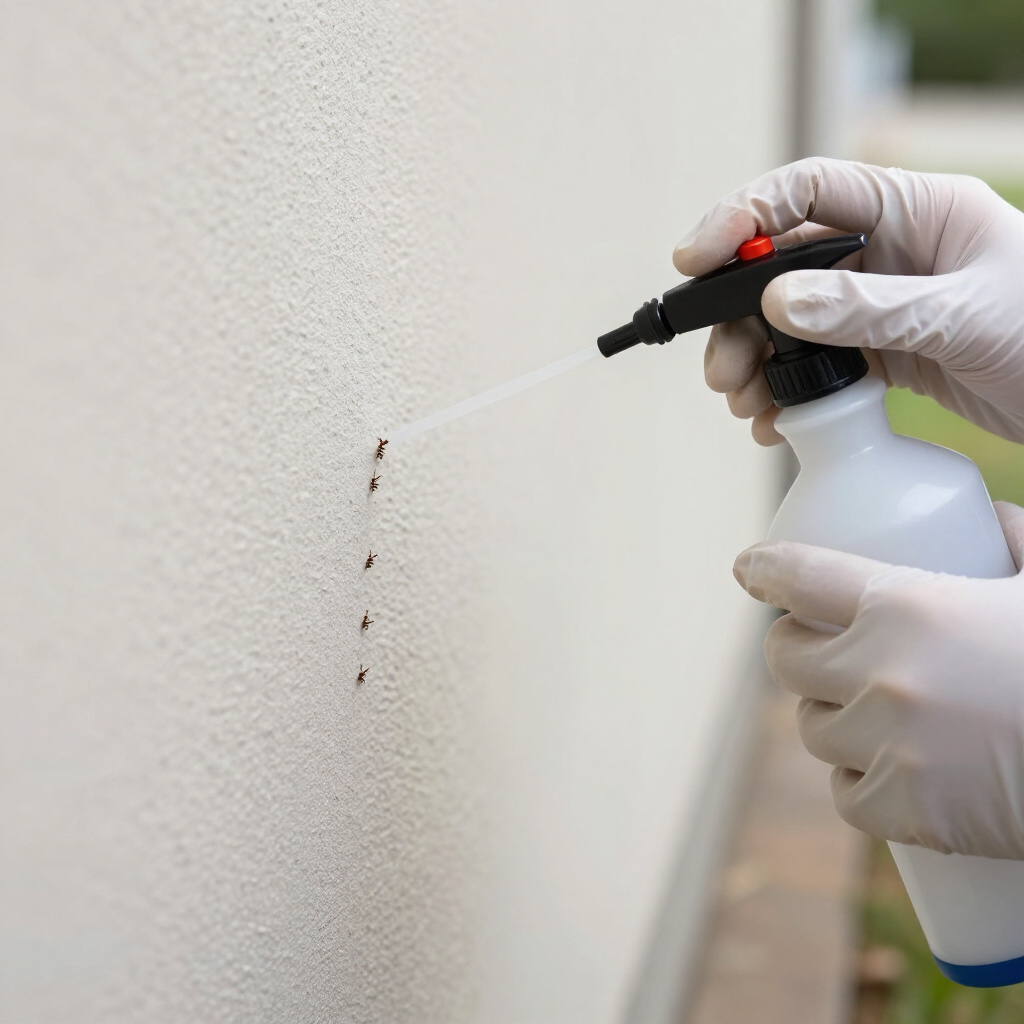
For fast elimination, integrate several proven treatments. Gel baits rank among the most effective options because cockroaches consume the poison and carry it back to their harborage areas, killing others through secondary exposure. Apply small dots of bait in cracks, crevices, and areas where you've seen activity. Avoid spraying insecticide near bait placements, as chemical sprays can repel cockroaches and prevent them from consuming the bait.
Insecticide dusts like boric acid or diatomaceous earth work well in wall voids, under appliances, and in other hard-to-reach spaces. These desiccants damage the cockroach's exoskeleton, leading to dehydration and death. Apply thin, barely visible layers—thick piles actually deter cockroaches from walking through them.
Sticky traps serve dual purposes. They help monitor where cockroaches are most active, and they catch individuals to reduce population numbers. Place traps along walls, in corners, and near suspected entry points. Check them regularly to gauge whether your treatment plan is working.
For severe infestations, insect growth regulators (IGRs) provide essential long-term control. These chemicals disrupt the cockroach life cycle by preventing nymphs from developing into reproductive adults. While IGRs don't kill existing adults immediately, they stop the population from replenishing itself—a critical factor for lasting elimination.
Key Tips for Preventing Reinfestation
Eliminating the current population is only half the battle. Preventing new cockroaches from moving in requires ongoing vigilance and smart home maintenance practices.
Seal entry points meticulously. Cockroaches can squeeze through gaps as small as three millimeters—about the thickness of a credit card. Use caulk around pipes, weatherstripping on doors, and mesh screens over vents and drains. Pay special attention to gaps where utility lines enter your home, as these are common highways for pests.
Manage moisture throughout your property. Repair dripping pipes, improve ventilation in damp areas like bathrooms and basements, and use dehumidifiers where needed. Cockroaches can survive weeks without food but only days without water, so drying out their environment delivers a powerful blow.
Maintain strict food storage habits. Keep pet food sealed rather than left out overnight. Clean appliances thoroughly—crumbs accumulate under toasters, behind refrigerators, and inside stove drip pans. Empty and clean recycling containers regularly, as residue on cans and bottles attracts cockroaches.
Declutter storage areas. Cardboard boxes, paper bags, and piled newspapers provide ideal harborage. Switch to plastic storage containers with tight-fitting lids, and recycle unnecessary paper products promptly.
Finally, establish a regular inspection routine. Even after successful elimination, periodic checks help catch any new activity before it becomes established. Look for telltale signs: droppings resembling coffee grounds or black pepper, egg cases (oothecae), shed skins, or a distinctive musty odor.
Final Thoughts
Getting rid of cockroaches fast demands swift, comprehensive action. Start by removing attractants and identifying harborage areas, then deploy a combination of baits, dusts, traps, and growth regulators to attack the population from multiple angles. Seal your home against future invaders and maintain the habits that make your space inhospitable to these persistent pests.
If you've implemented these strategies and still see cockroaches after two to three weeks, or if you're facing a heavy infestation from the start, professional pest control may be necessary. Experienced technicians have access to more potent tools and can identify hidden harborage areas you might miss. The investment often pays for itself in faster resolution and peace of mind.
Remember: cockroaches didn't invade overnight, and while fast action yields results, complete elimination sometimes takes persistence. Stay consistent with your approach, and you'll reclaim your home from these unwelcome visitors.